

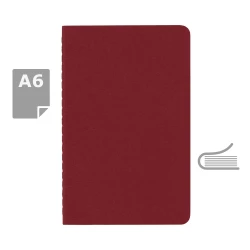
MOLESKINE Notebook approx. A6 (VM202-11)
Index: VM202-11
Warehouse: 960
Product reviews
Do you have this product?
Rate MOLESKINE Notebook approx. A6 (VM202-11) and help others choose
Add a review
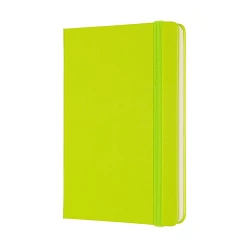
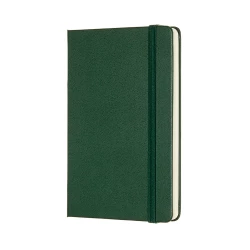
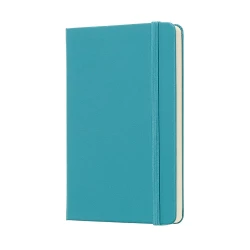
Color variants
Product description
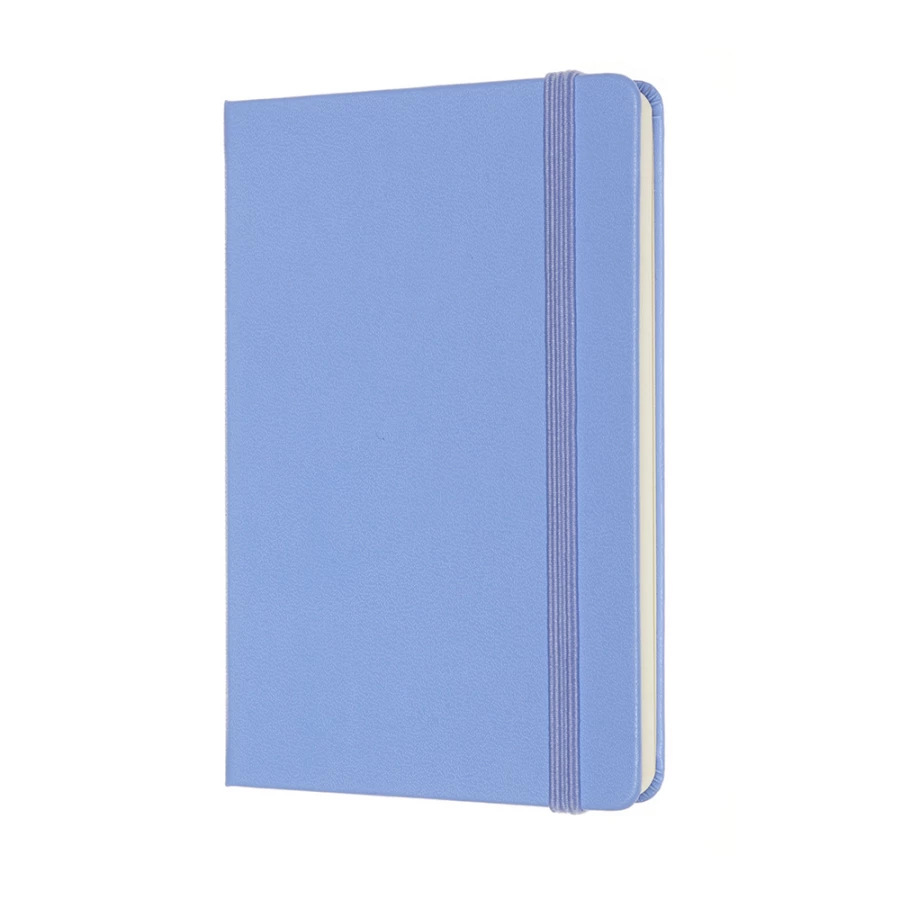
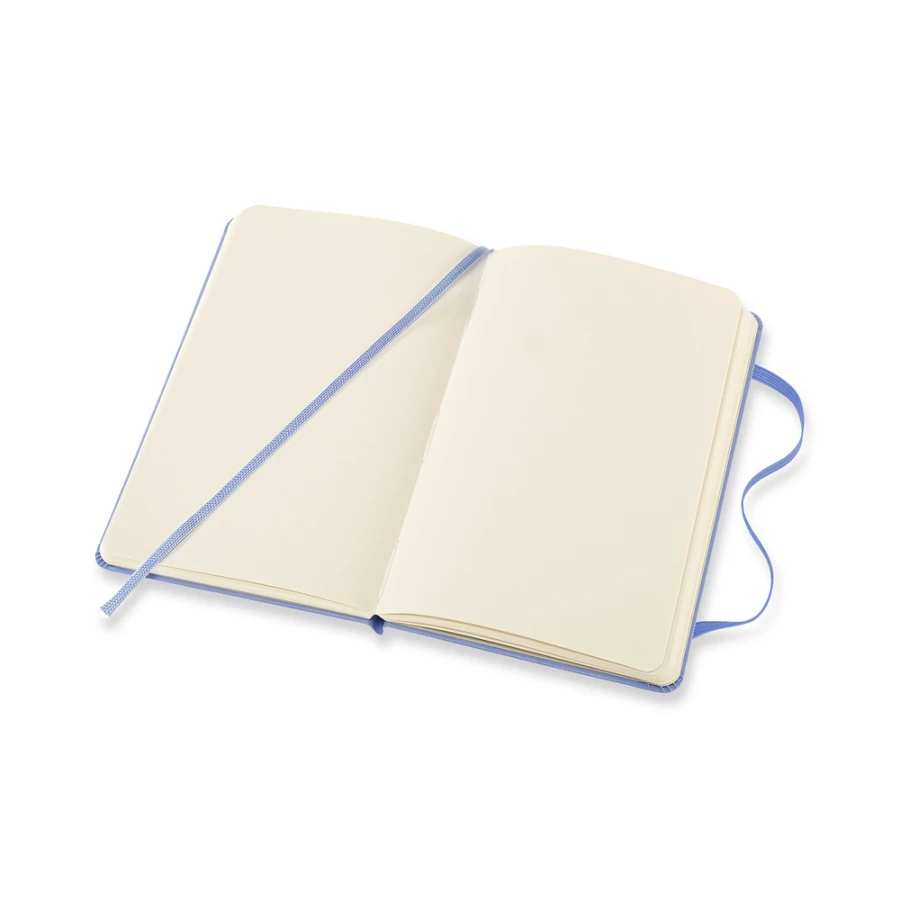
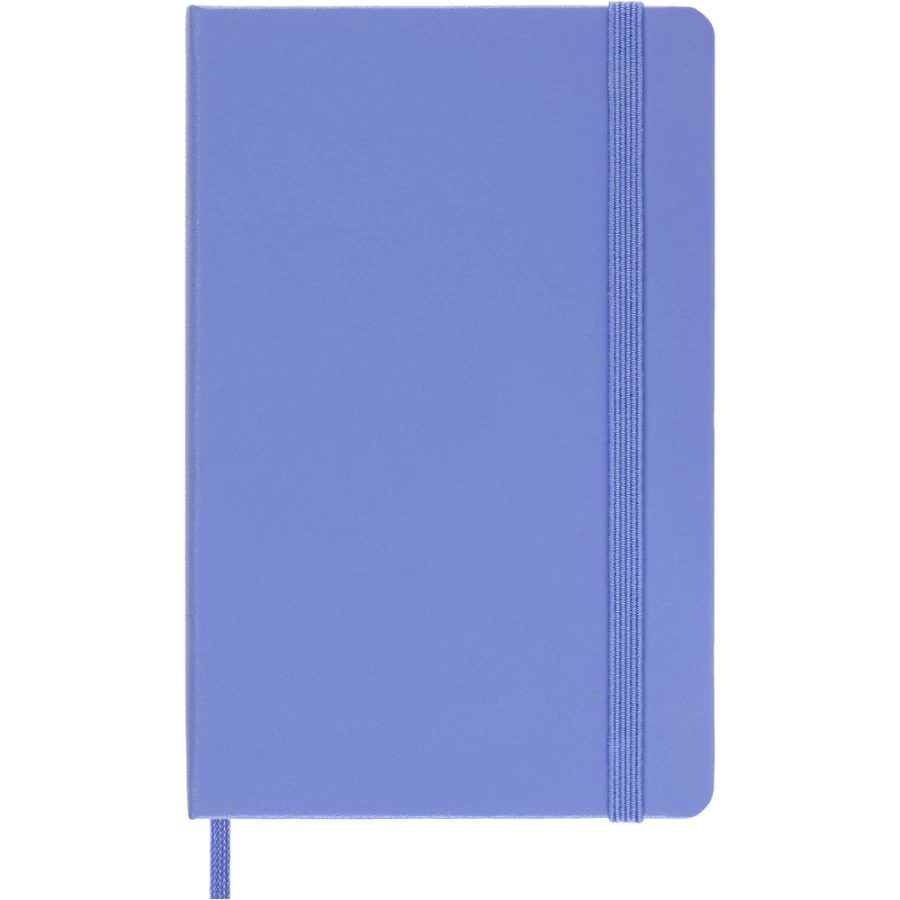
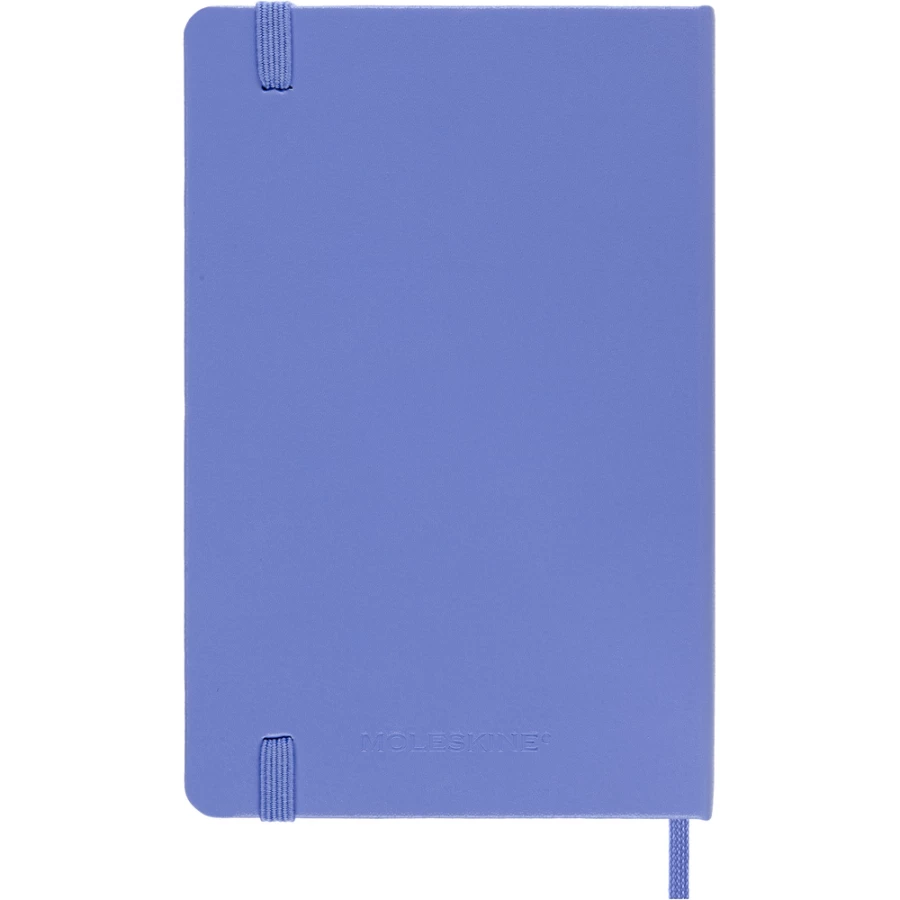
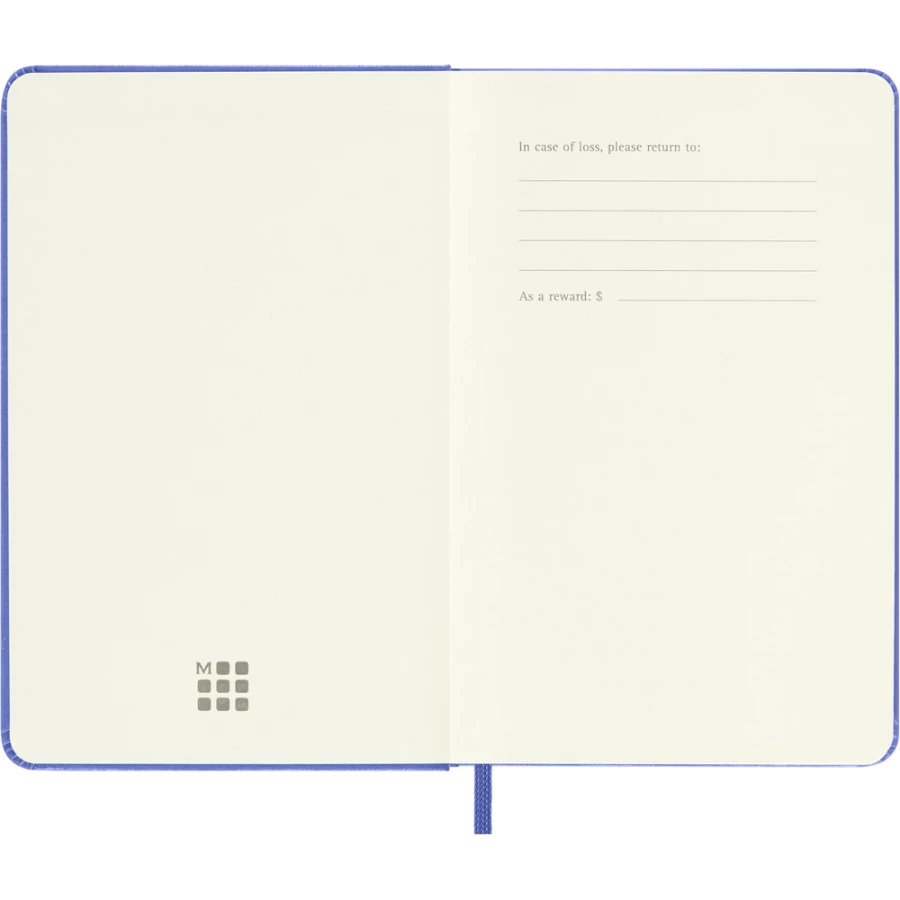
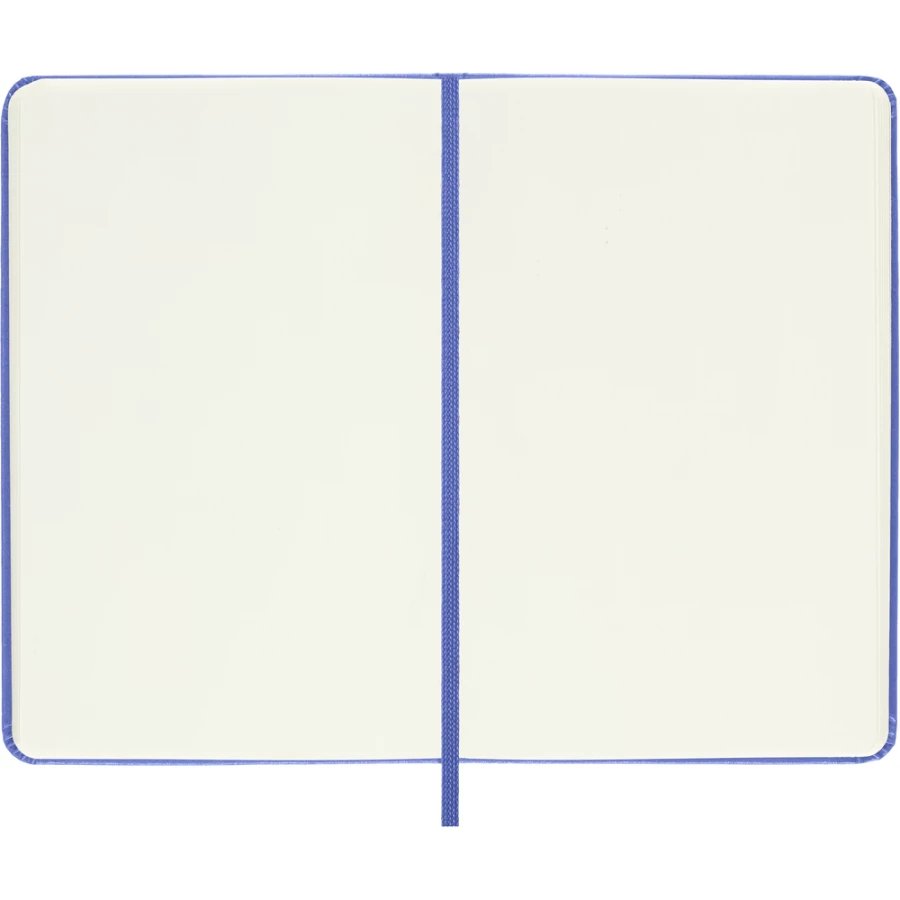
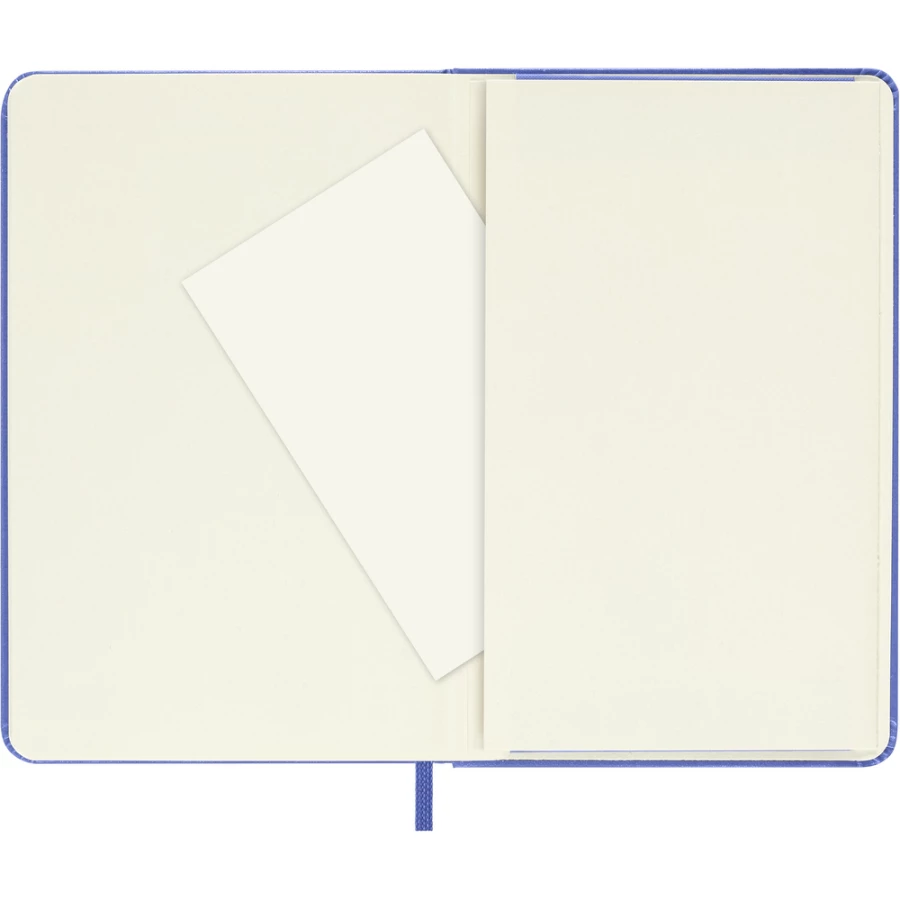
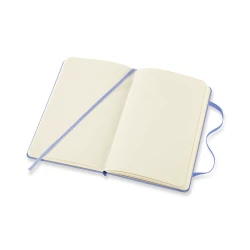
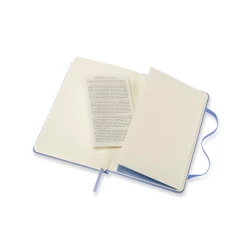
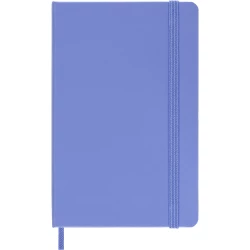
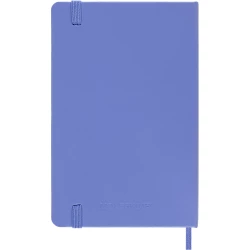
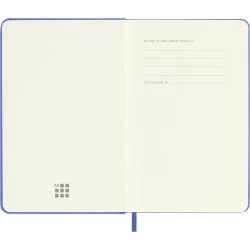
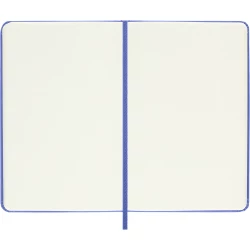
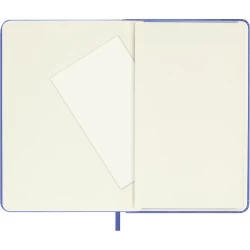
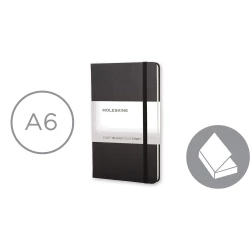
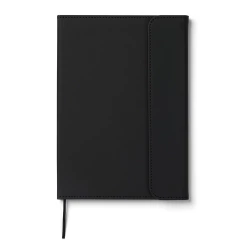
MOLESKINE notebook (approx. A6, pocket), 192 blank pages, hard cover, inner pocket, ribbon marker and elastic band for closing
collapse
Parameters
Single Package Quantity:
9
Master Package Quantity:
72
Colour:
blue
Material:
karton, papier, pp
Size:
9 x 14 cm
Weight:
134 g
Master Package Weight:
11,4 kg
Master Package Dimensions:
41 x 17 x 32 cm
Marking method
Pad printing4
Pad printing is a technique that uses a flexible pad to apply a logo to a product - it works in a similar way to a stamp. This technique only works for shapes and colours. It does not allow for tonal transitions, i.e. it is not suitable for photographs or shadows. The design for pad printing should be prepared in a vector file.
Full colour UV1 print up to 10 cm²
Full colour UV printing involves printing in full colour on a variety of substrates, at a high resolution of 1440 x 1200 dpi, with UV-curable inks (CMYK + white). Files can be vector or bitmap. Unlike most methods, it offers the possibility to print tonal transitions.
Full colour UV2 print up to 30 cm²
Full colour UV printing involves printing in full colour on a variety of substrates, at a high resolution of 1440 x 1200 dpi, with UV-curable inks (CMYK + white). Files can be vector or bitmap. Unlike most methods, it offers the possibility to print tonal transitions.
Stamping2
Embossing is the permanent deformation of a material by the appropriate pressing of a die with a logo.
It is possible to achieve a gilded effect on the embossed surface using a special foil. Files should be prepared in vectors.
Screenprint3
Screen printing involves applying ink to a product using a mesh with small holes through which it passes onto the surface to be marked. In this way, one colour is printed.
For multi-colour logos, several screens are used.
Full colour UV3 print up to 100 cm²
Full colour UV printing involves printing in full colour on a variety of substrates, at a high resolution of 1440 x 1200 dpi, with UV-curable inks (CMYK + white). Files can be vector or bitmap. Unlike most methods, it offers the possibility to print tonal transitions.




Add a review