
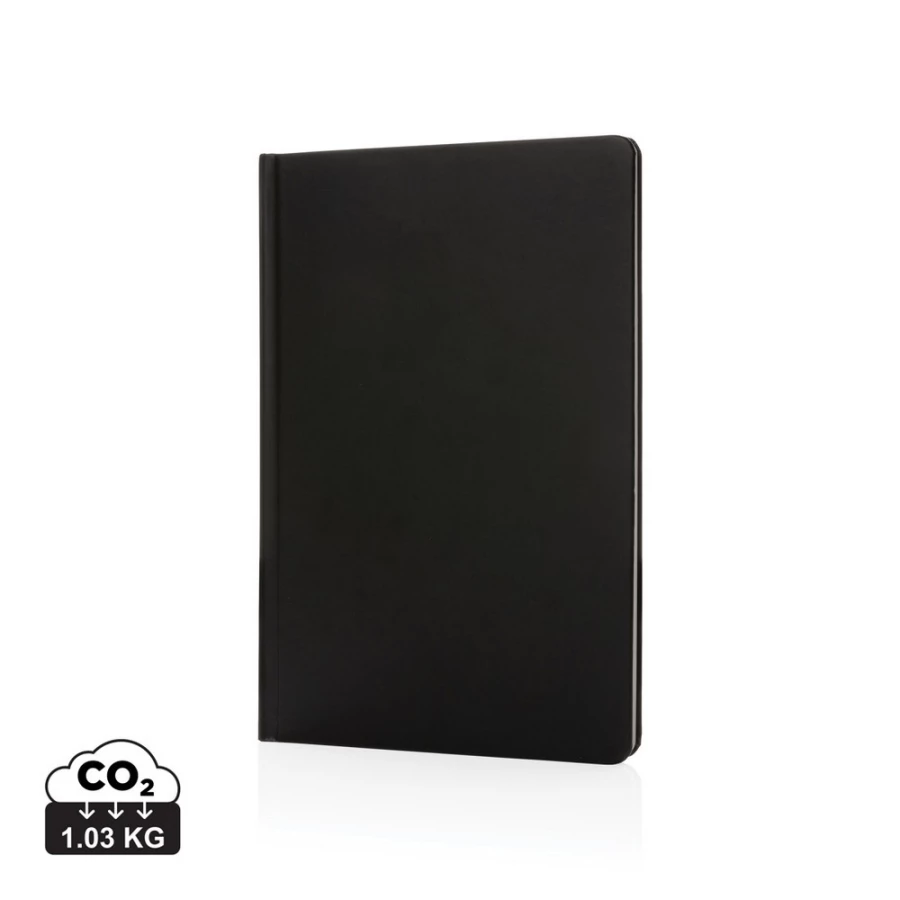
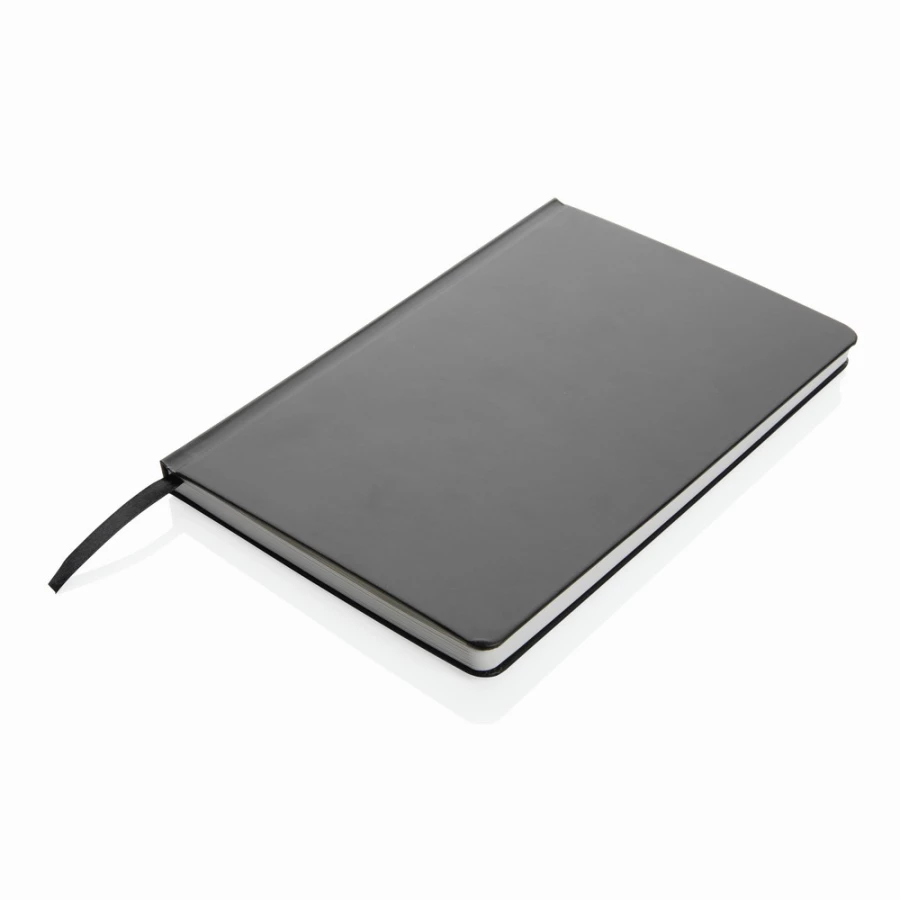
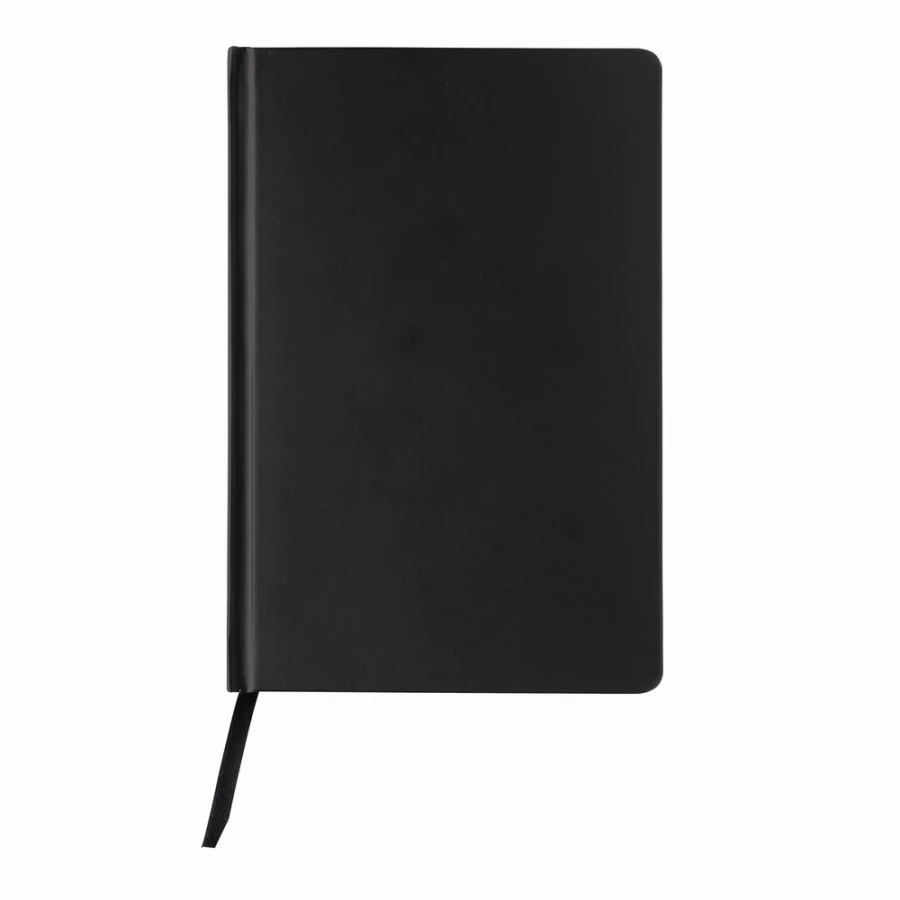
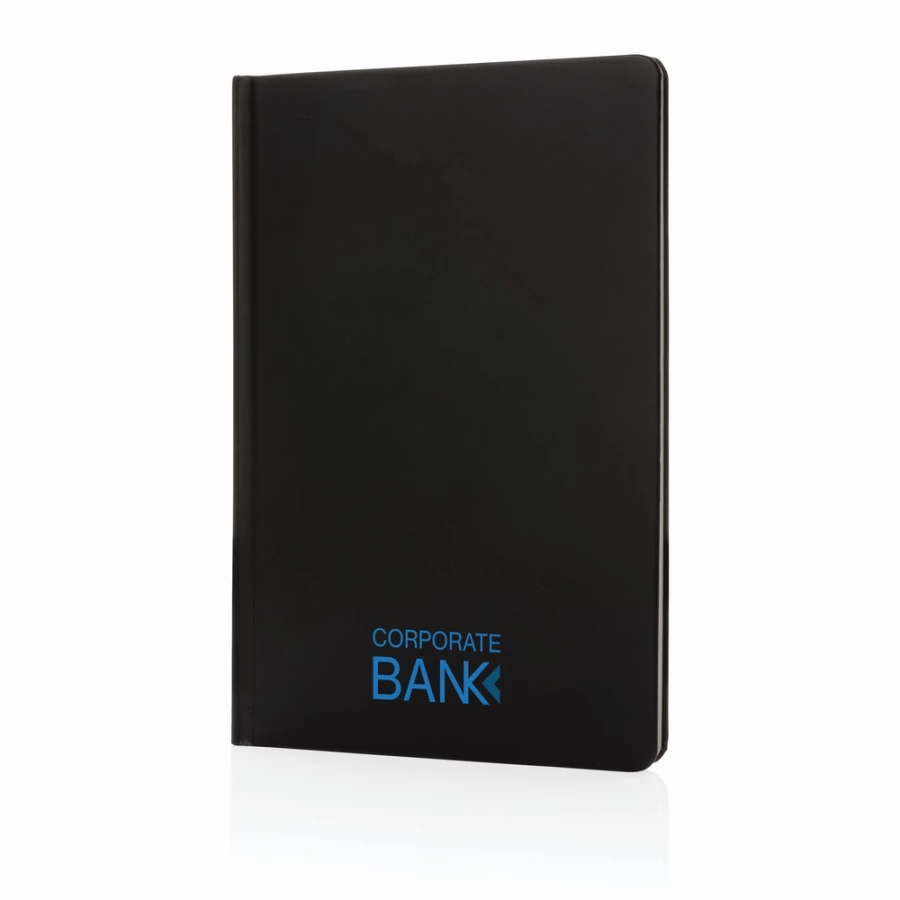
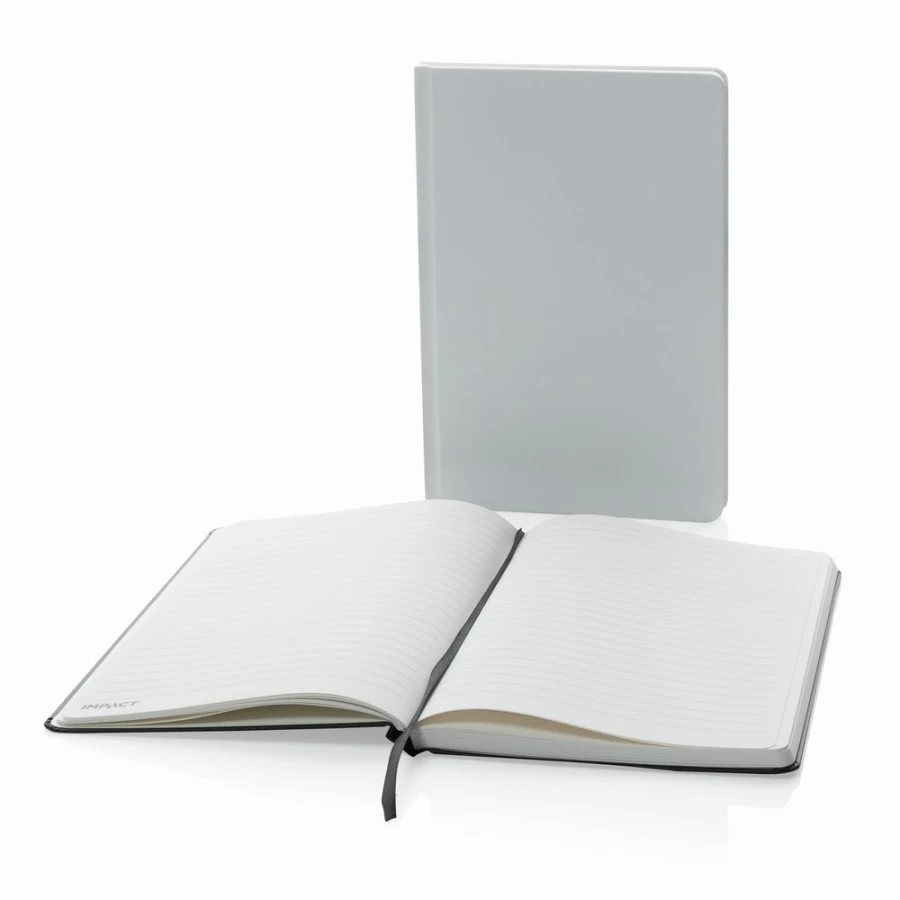
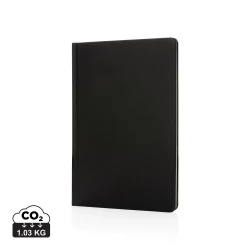
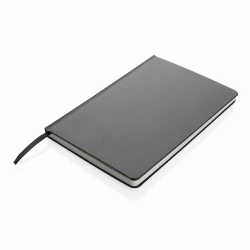
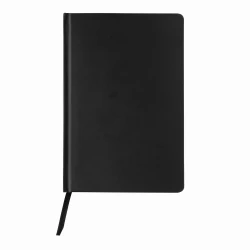
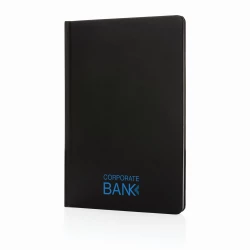
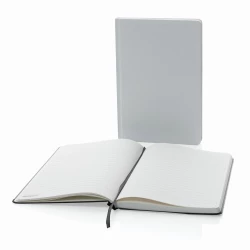
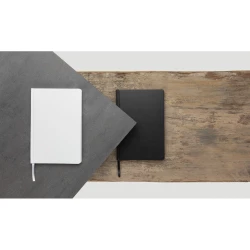
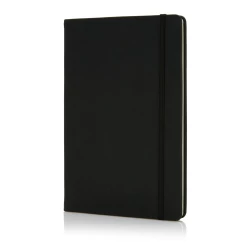
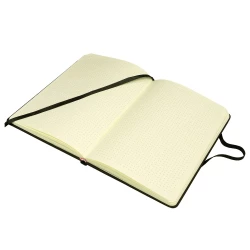
Notatnik A5, twarda okładka (P774.351)
Index: P774.351
Warehouse: 899 - delivery 20-11-2026 : 8010
Product reviews
Do you have this product?
Rate Notatnik A5, twarda okładka (P774.351) and help others choose
Add a review
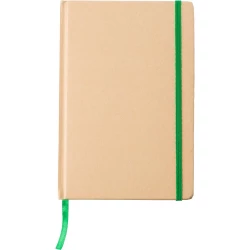
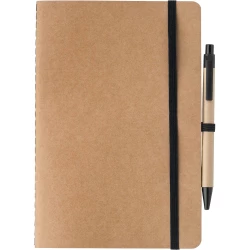
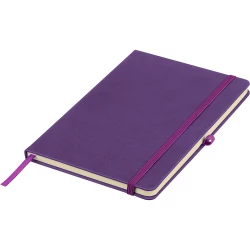
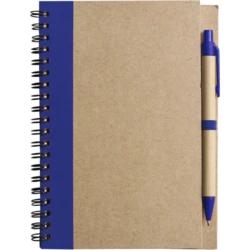
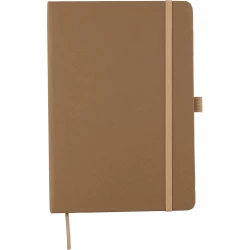
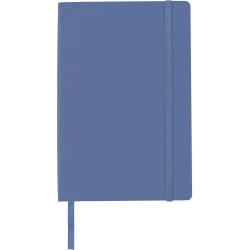
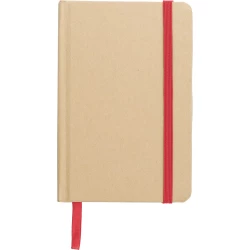
Color variants
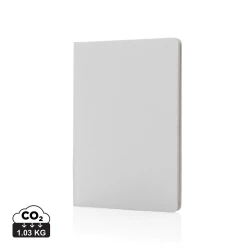
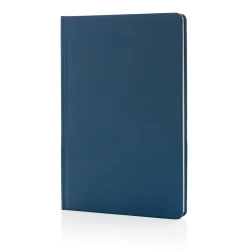
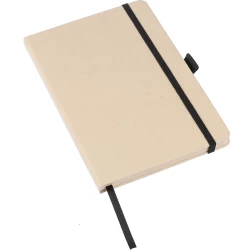
Product description
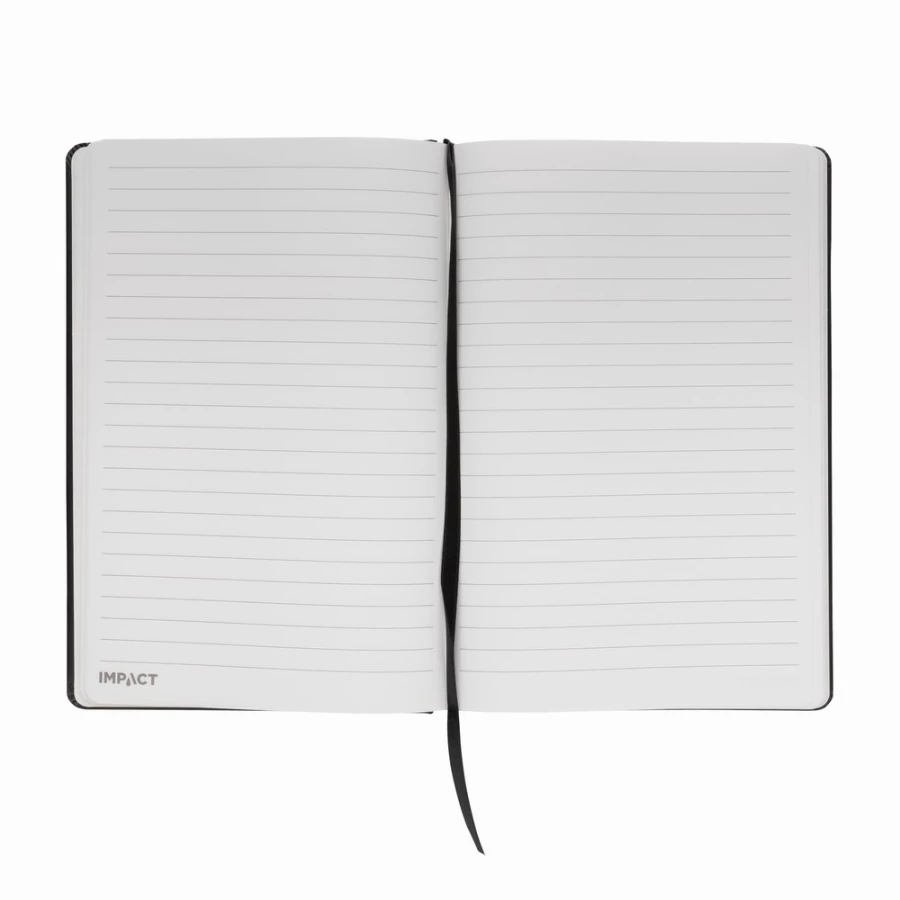
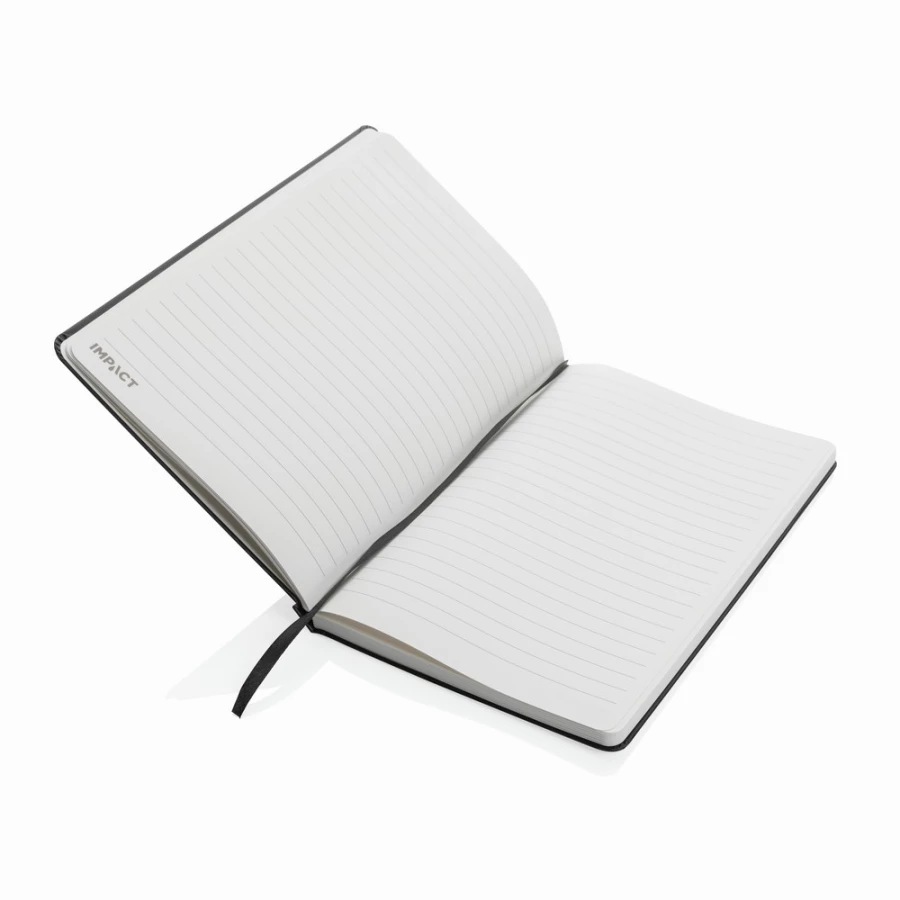
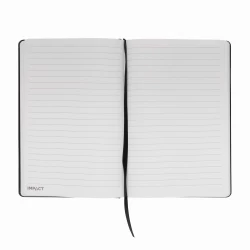
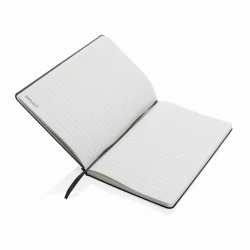
This hardcover Impact collection stone paper notebook if made of tree-free paper! Stone paper consists mainly of mineral powder (80%) bound with (20%) of non-toxic HDPE (a clean plastic). Water and bleach are used during the production of traditional wood pulp paper however this book uses zero water or bleach. Traditional wood pulp paper uses around 2770 litres of water and around 18 trees. This beautiful A5 stone paper notebook uses zero! Soft to the touch and velvety paper for ultra-smooth writing. 64 sheets/128 pages of 58 ...
expand
gm/m2 white coloured lined stone paper. The cover is also fully made of stone paper to save water. With the focus on water 2% of proceeds of each sold Impact product will be donated to Water.org. This stonepaper notebook has saved 1 litre of water.
collapse
Parameters
Single Package Quantity:
15
Master Package Quantity:
30
Colour:
black-white
Material:
papier, papier kamienny
Size:
21,3 x 14,2 x 1,2 cm
Master Package Weight:
12,7 kg
Master Package Dimensions:
35 x 26 x 25 cm
Marking method
Pad printing2
Pad printing is a technique that uses a flexible pad to apply a logo to a product - it works in a similar way to a stamp. This technique only works for shapes and colours. It does not allow for tonal transitions, i.e. it is not suitable for photographs or shadows. The design for pad printing should be prepared in a vector file.
Pressing1
Embossing is the permanent deformation of a material by the appropriate pressing of a die with a logo.
It is possible to achieve a gilded effect on the embossed surface using a special foil. Files should be prepared in vectors.
Screen printing1
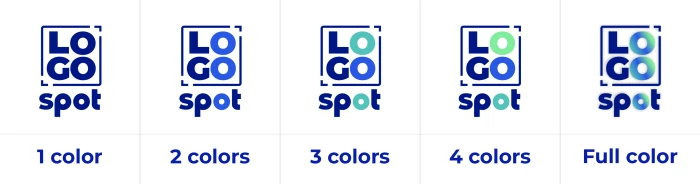
Screen printing involves applying ink to a product using a mesh with small holes through which it passes onto the surface to be marked. In this way, one colour is printed.
For multi-colour logos, several screens are used.


Add a review